About Heinrich Schliemann
If you wish, you can read next the complete texts of Heinrich Schliemann’s will as well as the Property Inventory Report of his movable and immovable property that was compiled after his death in order to be used in the execution of his will.
His will (1889), according to which he distributes his property to his four children, as he had bestowed in previous time upon his wife, Sophia Schliemann (née Engastromenou),their residence on Panepistimiou Street called “Iliou Melathron” (including curtilage and household possessions), contains elements that are also associated with the work and personality of the pioneer of archaeological research.
In his will he makes provisions primarily for the inheritors of the Trojan and Greek antiquities in his possession along with the intellectual property rights for his books about the archaeological sites he excavated and studied. One interesting aspect of the will is the provision for his family mausoleum, the design and the erection of which is assigned to Ernst Ziller. The plans were approved by Schliemann himself before his death. In fact, he gives the executors of his will clear guidelines to the extent of determining even the colours of the tomb“[…] to have this chamber coloured with samples of Orchomenos and Pompeii […]” as well as the supervisor of the project. Schliemann’s will constitutes a document that contains multidimensional information of historical interest.

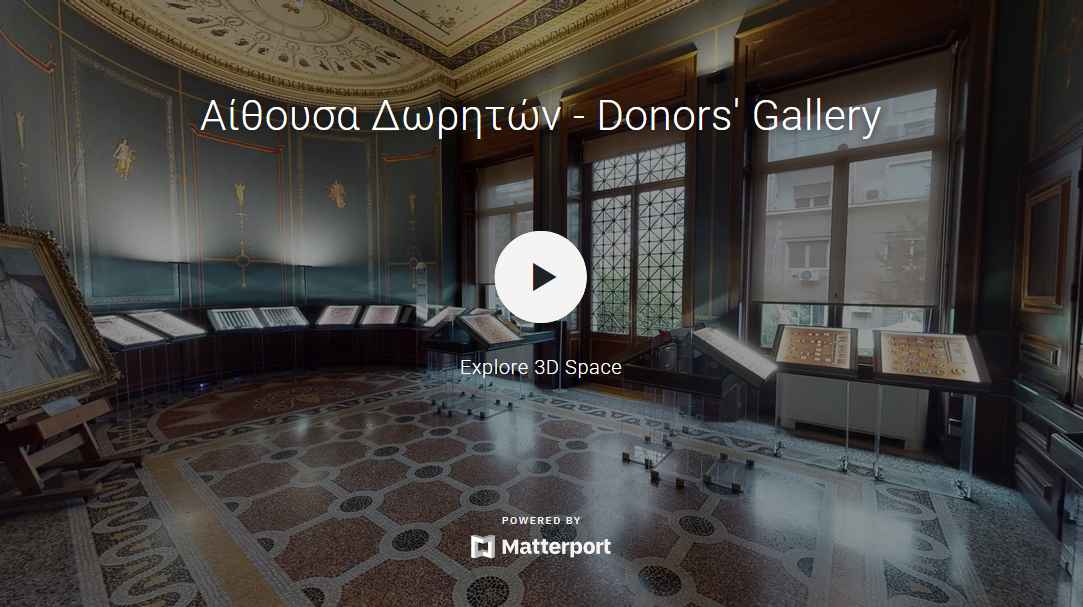
The inventory of the movable and immovable property of Heinrich Schliemann was taken in three different days during December 1890 and January 1891. Of particular interest is the detailed reference made to the Trojan and Greek antiquities placed in his residence, “Iliou Melathron”, that currently houses the Numismatic Museum. The forementioned antiquities are separately registered on a room-by-room basis, thus contributing to the recreation of the domestic atmosphere of Schliemann’s family hearth in the end of 19th century in addition to highlighting the position they held as prominen tfeatures of the daily life led by the eminent antiquarian.